Zoo Participates in Published Timber Rattlesnake Research
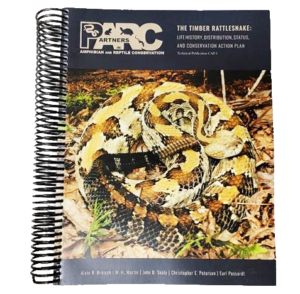
The Louisville Zoo is proud to recognize staff members who contributed to the published work, "The Timber Rattlesnake: Life History, Distribution, Status, and Conservation Action Plan," released by Partners in Amphibian and Reptile Conservation (PARC).
The authors contacted the leading biologists in every state and province to contribute material for this species in their area. Several Louisville Zoo staff members contributed along with professional colleagues from Kentucky Department of Fish and Wildlife Resources, Kentucky Reptile Zoo, and University of Kentucky.
Five Years of Fieldwork in Bernheim Forest
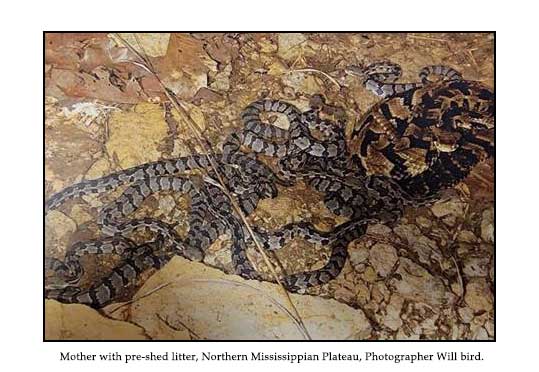
Louisville Zoo contributions included research from a study that involved the use of radiotelemetry, tracking and monitoring of timber rattlesnakes for five years in Bernheim Forest. The study was headed up by Ectotherm Curator Bill McMahan and conducted with assistance from Michael Jones and Will Bird. The PARC conservation action plan also includes photos of timber rattlesnakes by Will Bird from his time tracking them.
About the Conservation Action Plan
The PARC plan was developed by a team of more than seventy-five concerned rattlesnake biologists from federal and state agencies, universities, and private institutions, as well as environmental consultants and private citizens. The approximately 475-page book is divided into two parts and contains more than 250 images from 90 photographers and more than 40 maps.
Part I presents an overview of the life history, genetics, ecology, distribution, status, and threats to the continued existence of timber rattlesnakes from a range-wide perspective. Part II presents the legal status, distribution, population status, habitat needs, active period, threats, and management actions on a state-by-state basis.
The information provided in this plan may serve as a reference for landowners, land managers, and government agencies at all levels to enable them to develop science-based management and conservation plans for timber rattlesnake populations and protect habitats.