Historic U.S. Ivory Ban: A Victory for African Elephants
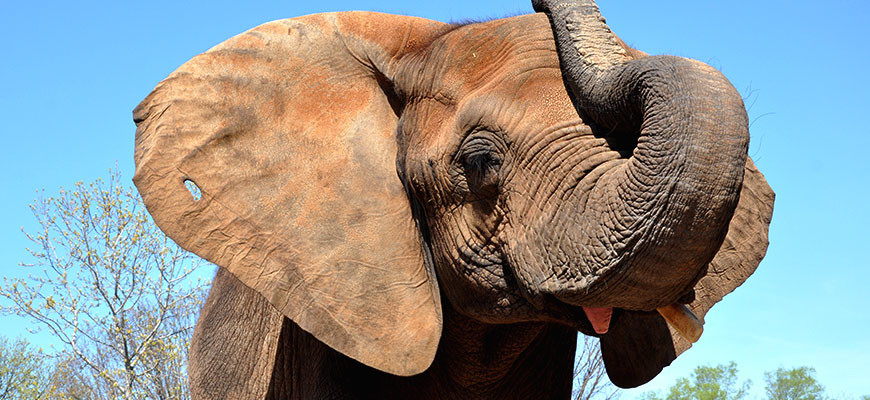
The Obama Administration has followed through on a promise made by President Obama himself in Kenya in 2013 — to do what the United States can to confront the existential threat to African elephants by banning domestic ivory sales.
"The USA is shutting down the bloody ivory market that is wiping out Africa's elephants. The USA is boldly saying to ivory poachers: You are officially out of business." — Cristian Samper, WCS President & CEO
The Scale of the Crisis
Between 2010 and 2012, 100,000 elephants were illegally killed for their ivory across the African continent — an average of 96 elephants per day or one every 15 minutes. Between 2002 and 2013, central Africa's forest elephant population declined by two-thirds. At that rate, forest elephants could be extinct in the wild within a decade.
Illegal ivory hides behind 'legal' ivory, and the U.S. was one of the largest markets for ivory in the world. Scientists found conclusive evidence that the only way to save elephants is to ban ivory sales entirely.
What This Means for Conservation
This U.S. ban on ivory sales, along with China's commitment to a similar ban and pledges from several African nations, shows how influential nations can join together to ensure a future for wild elephants. WCS has continually brought attention to the plight of African elephants through the awareness-raising 96 Elephants campaign and advocacy for state ivory bans across the country.
In Tanzania's Tarangire ecosystem, WCS has been studying the elephant population for over 20 years, working with communities to protect elephant dispersal areas and migration corridors and providing anti-poaching vehicles. The Tarangire elephant population has been among the fastest growing in Africa — a testament to how elephants can recover when given good protection.